Fastening Technology

Titanium Alloy Fasteners

Understand the application industries, performance, characteristics, and advantages of titanium alloy fasteners.

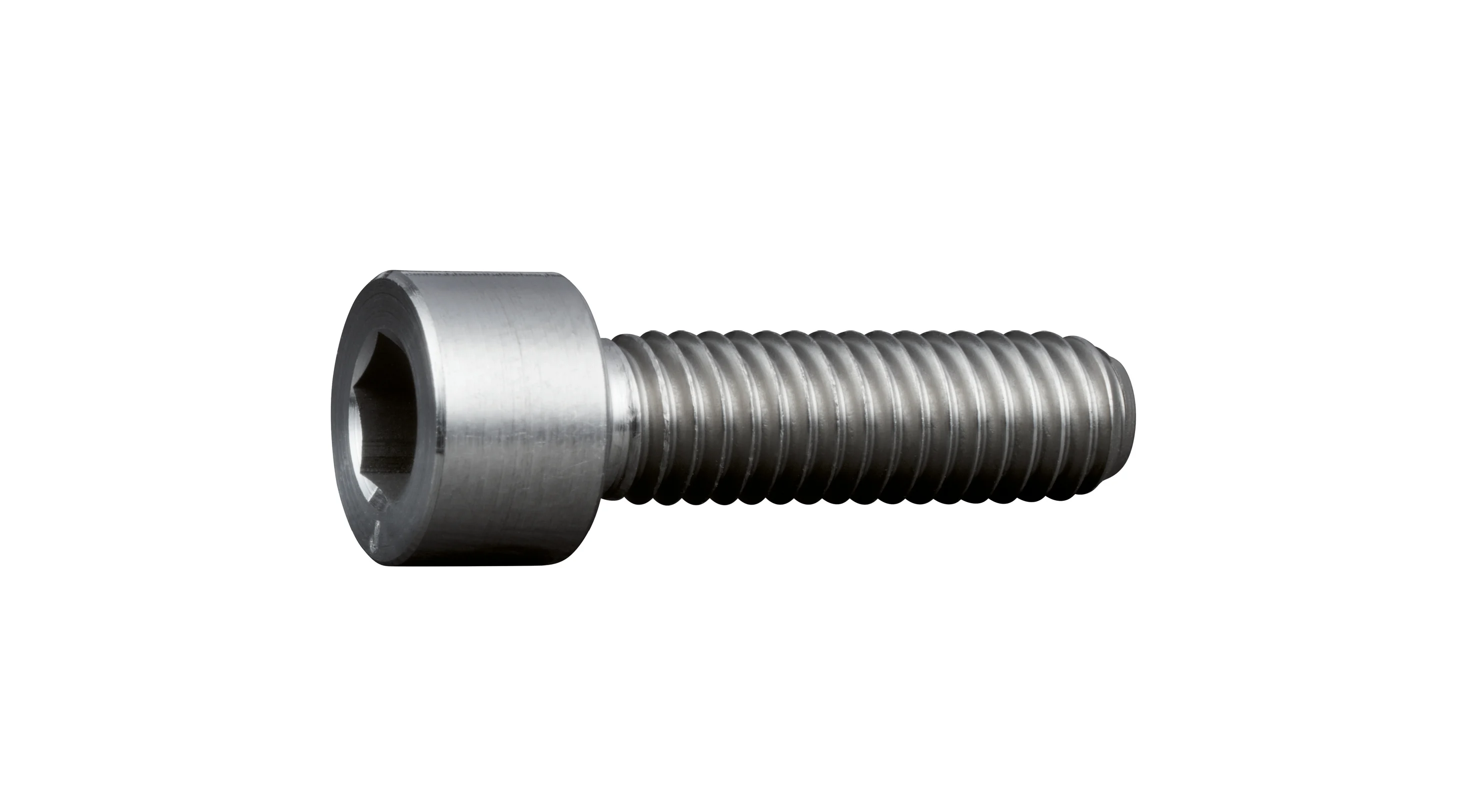
Close-up of a Jextar® Titan high-strength titanium fastener
Go to eShop
Overlay
Two people discussing design of a fastener.

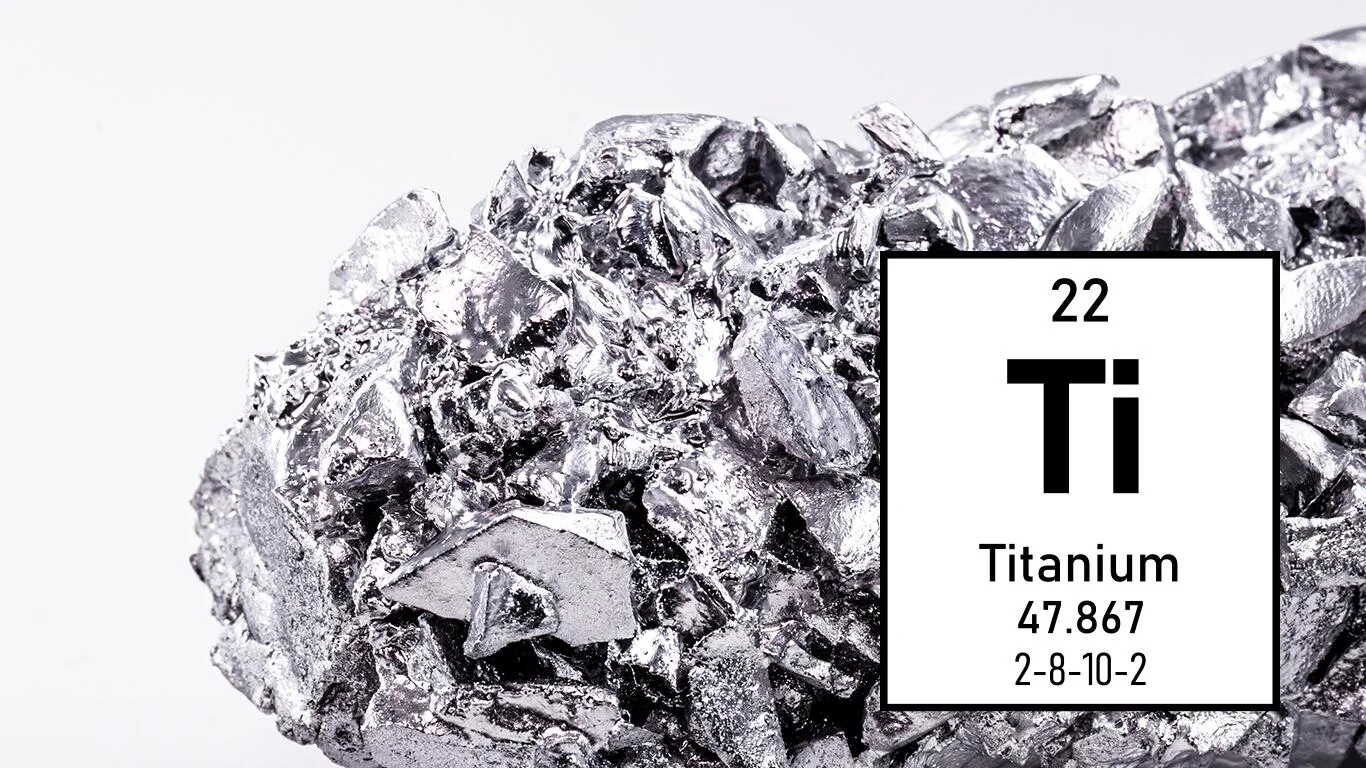
Titanium alloy fasteners are well‑known for being exceptionally lightweight, high‑strength, and highly resistant to corrosion. Titanium has a melting point of 1660°C, a boiling point of 3287°C, and a density of 4.54 g/cm³, giving it excellent chemical stability. It offers outstanding resistance to high and low temperatures, strong acids and alkalis, and combines high strength with low density – earning the reputation of a true “space metal”. Titanium alloy fasteners are extensively used in aerospace, medical devices, electronics, and semiconductor equipment.

Illustration of a fastener's technical drawing, with an airplane engine in the background, highlighting aerospace engineering details.

Applications

  • Aerospace: Aircraft, spacecraft, and satellites rely on large quantities of precision fasteners. Titanium alloy fasteners are widely adopted in structural and critical aerospace assemblies.
  • Medical and Electronics Industries: Used in key equipment such as MRI systems and electromagnetic shielding components where non‑magnetic and corrosion‑resistant materials are essential.
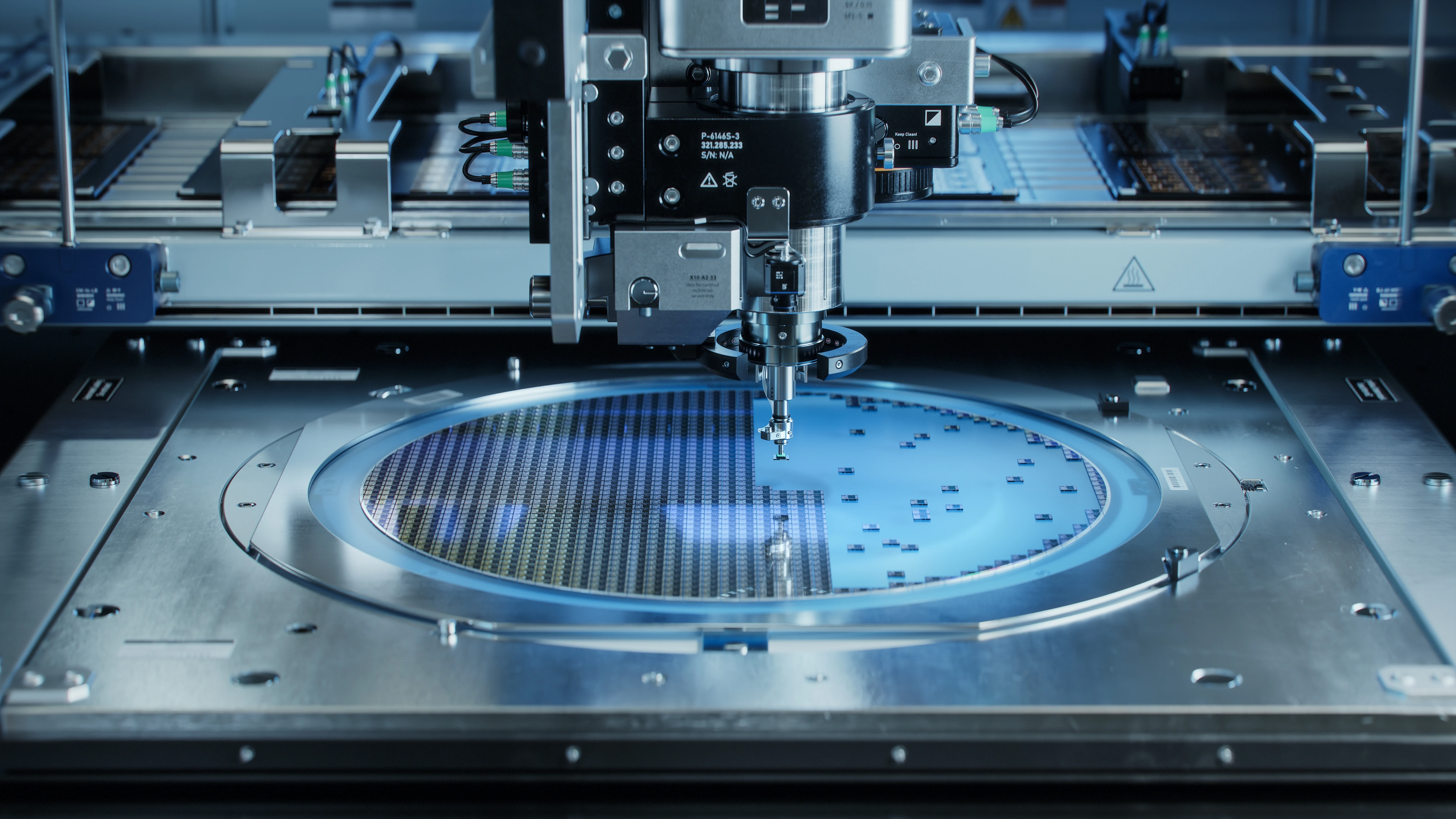
  • Semiconductor Equipment: Ideal for components requiring high resistance to corrosive chemicals used in semiconductor manufacturing processes.

Features

  • Lightweight: With a much lower density than steel, titanium alloys make significantly lighter fasteners. Compared with steel of equivalent strength, titanium alloys weigh approximately 45% less, giving them the highest strength‑to‑weight ratio among structural metals.
  • High Strength: Titanium alloys are among the strongest commonly used metallic materials, making them ideal for fasteners subjected to high loads.
  • Excellent Heat Resistance: Thanks to their high melting point, titanium alloy fasteners exhibit superior performance at elevated temperatures compared to steel fasteners.
  • Low Magnetic Permeability: Titanium fasteners are essentially non‑magnetic, making them suitable for environments where magnetic interference must be minimized.
  • Outstanding Corrosion Resistance: Titanium alloys naturally form a stable oxide film, offering exceptional resistance to corrosion in a wide range of environments.

The Advantages Titanium Alloy Fasteners

Products solutions - standard icon

High Yield‑Strength Ratio

Selection of material and coatings for corrosion protection Calculator Icon

Carbon Fiber Galvanic Compatibility

Temperature resistance icon

Superior Thermal‑Fatigue Resistance

Materials for Titanium Screws, Nuts, Washers and Machined Components

  1. Titanium Grade 2 (3.7035) — Ti‑CP (Commercially Pure Titanium)
  2. Titanium Grade 5 (3.7165) — Ti‑6Al‑4V
  3. Titanium Grade 23 (3.7164 ELI) — Ti‑6Al‑4V ELI (Extra‑Low‑Interstitial)

Mechanical Properties

  1. TG2 — Tensile Strength Rm: 350 N/mm²
  2. TG5 — Tensile Strength Rm: ≥ 895 N/mm²
  3. TG23 — Tensile Strength Rm: ≥ 895 N/mm²

Size

M1–M36 (Selected standard screws and nuts available in stock) and more.

Surface Treatments

Hard anodizing, ion vapor‑deposited aluminum (IVD‑Al), MoS₂ dry‑film lubricating coating, cetyl alcohol lubrication coating, etc.

Reference Information

  • Ti‑6Al‑4V: One of the most widely used titanium alloys, consisting of 6% aluminum and 4% vanadium. It offers excellent strength, corrosion resistance, and weldability, making it suitable for aerospace, medical implants, and engineering components.
  • Ti‑6Al‑2Sn‑4Zr‑2Mo: This alloy incorporates tin, zirconium, and molybdenum, providing enhanced corrosion resistance and improved high‑temperature stability. It is commonly used in elevated‑temperature applications.
  • Ti‑3Al‑2.5V: A lightweight alloy containing 3% aluminum and 2.5% vanadium, frequently used in aerospace and marine structures.
  • Ti‑5Al‑2.5Sn: Composed of 5% aluminum and 2.5% tin, this alloy offers a good balance of strength and corrosion resistance, ideal for marine engineering and shipbuilding.
  • Industrial Pure Titanium (TA0, TA1, TA2, TA3): Although industrial pure titanium contains higher levels of oxygen, nitrogen, and carbon than chemically pure titanium, it provides improved strength. It is commonly used for low‑temperature structures, corrosion‑resistant parts, and stamped components.
  • α‑Type Titanium Alloys (TA4): These alloys remain fully α‑phase at both room and service temperatures. While their room‑temperature strength is lower, they exhibit the highest high‑temperature strength and creep resistance among titanium alloy categories, along with excellent oxidation resistance, weldability, and corrosion resistance.
  • β‑Type Titanium Alloys (e.g., TC3, TC4): Predominantly β‑phase at room temperature, these alloys offer high strength and good ductility, making them suitable for aerospace, medical, and high‑performance engineering applications.
  • Other Titanium Alloys: Additional specialized alloys include Ti‑6Al‑4V (TC6), Ti‑5Al‑2.5Sn (TA7), and Ti‑15V‑3Cr‑3Sn‑3Al (TIMETAL 15‑3), each developed for specific engineering requirements across diverse industries.

Hand holding screws

eShop

Buy Fasteners Online

Browse our large assortment of fastening elements, find more product data and buy directly in our online shop.

Buy Now